
Live classes, never recordings
A coach is on the call, watching the board your child is playing on and correcting the move as it happens. Nobody is handed a video and left to it.
Live Classes · Free Trial
Most chess classes for kids are a weekly hour with no published plan behind it. Ours is a course: 240 taught sessions in a fixed order, two live classes a week, homework a coach actually marks, and a tournament every week. Online for children anywhere in India, and offline at our 4 Kolkata centres.
The Class
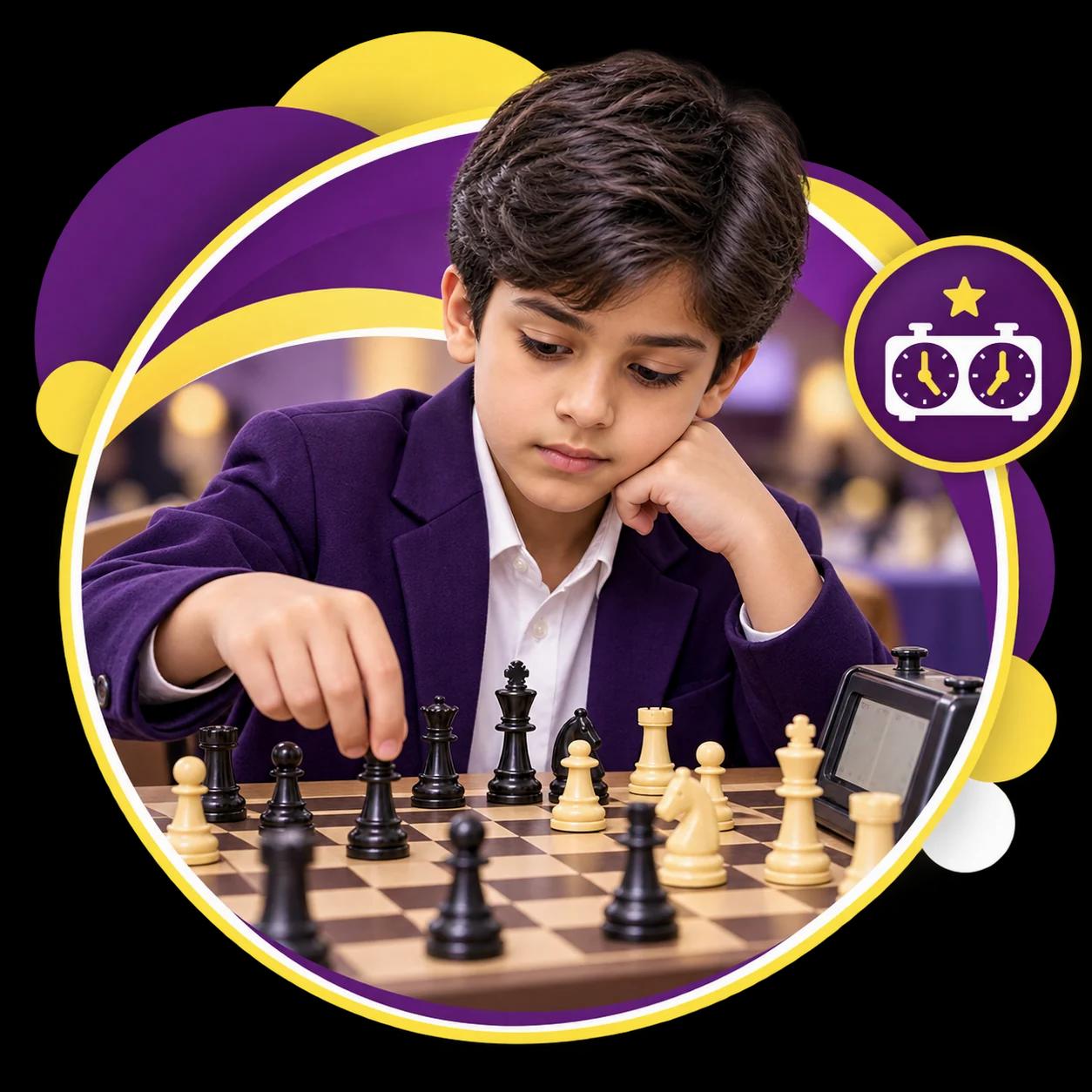
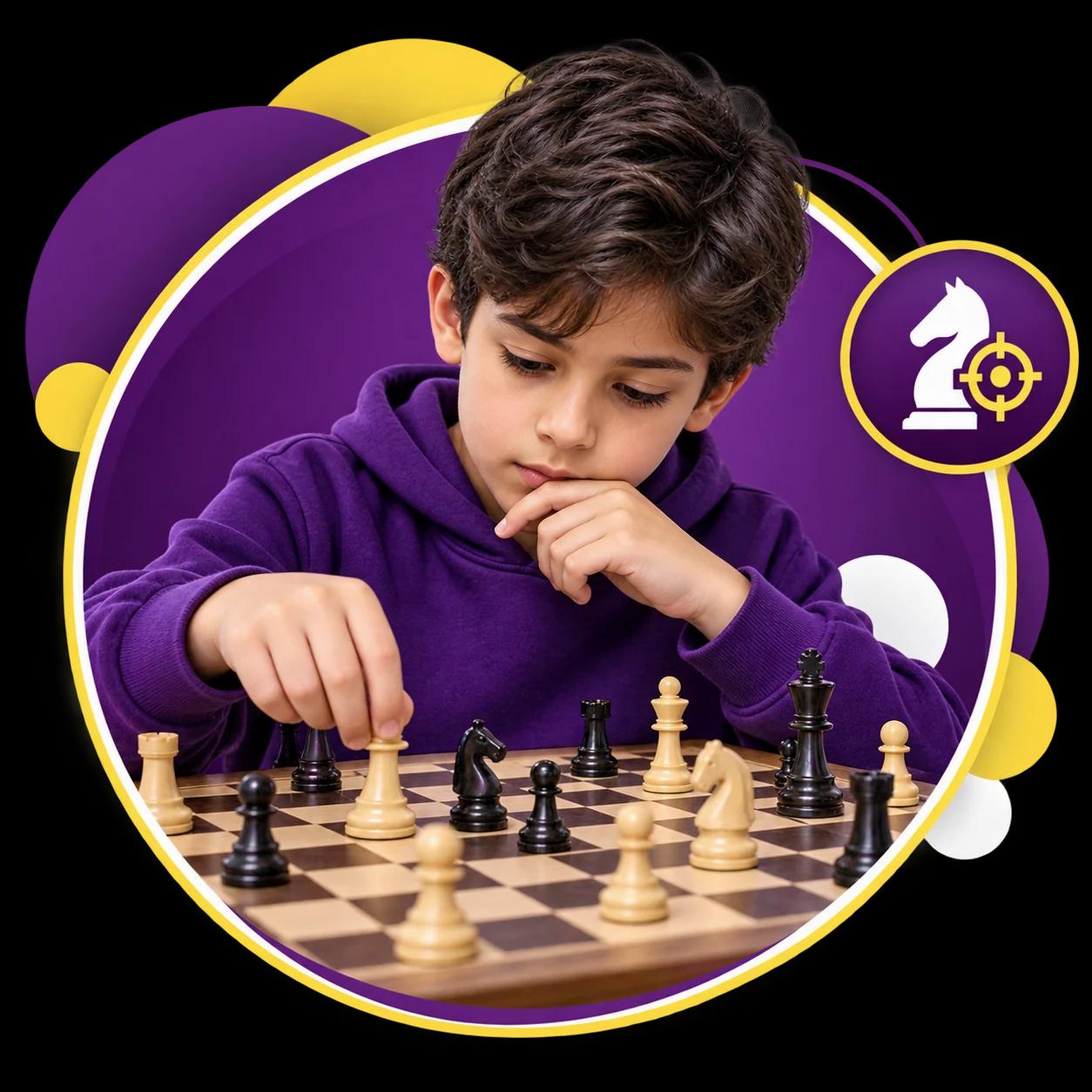
A class is an hour, live, with a coach and a small group of children at roughly the same strength. The coach teaches one idea from the syllabus, the children work through it on the board together, and then they play it out. Nothing is a recording, and nothing is improvised on the day.
Your child is not dropped into a generic beginner slot either. The free trial class is a real assessment: the coach plays with them, reads where they actually are, and names the session to start from. A child who already knows how the pieces move skips ahead to tactics rather than sitting through four weeks of material they have outgrown.
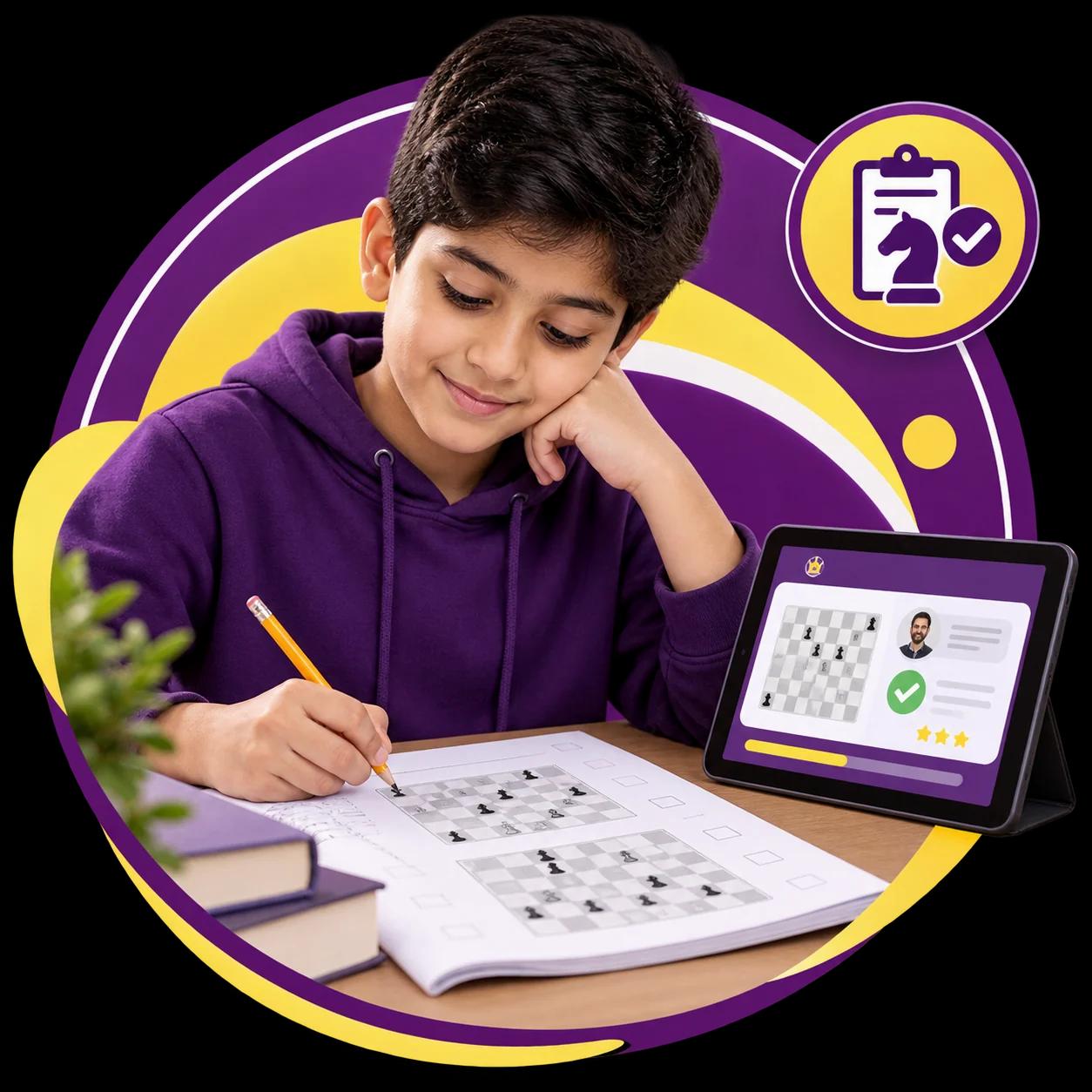
Between classes the work continues in the student portal - puzzles, a tactics trainer, assignments the coach marks, and a weekly academy tournament with real pairings. You see every bit of it from your own parent login.
A coach is on the call, watching the board your child is playing on and correcting the move as it happens. Nobody is handed a video and left to it.
Batches are kept small enough that every child is spoken to in every class, and quiet children do not get to hide at the back of a room.
Puzzles, a tactics trainer, a square trainer and practice games against a friendly engine, all in the portal, all scored and all reviewed by the coach.
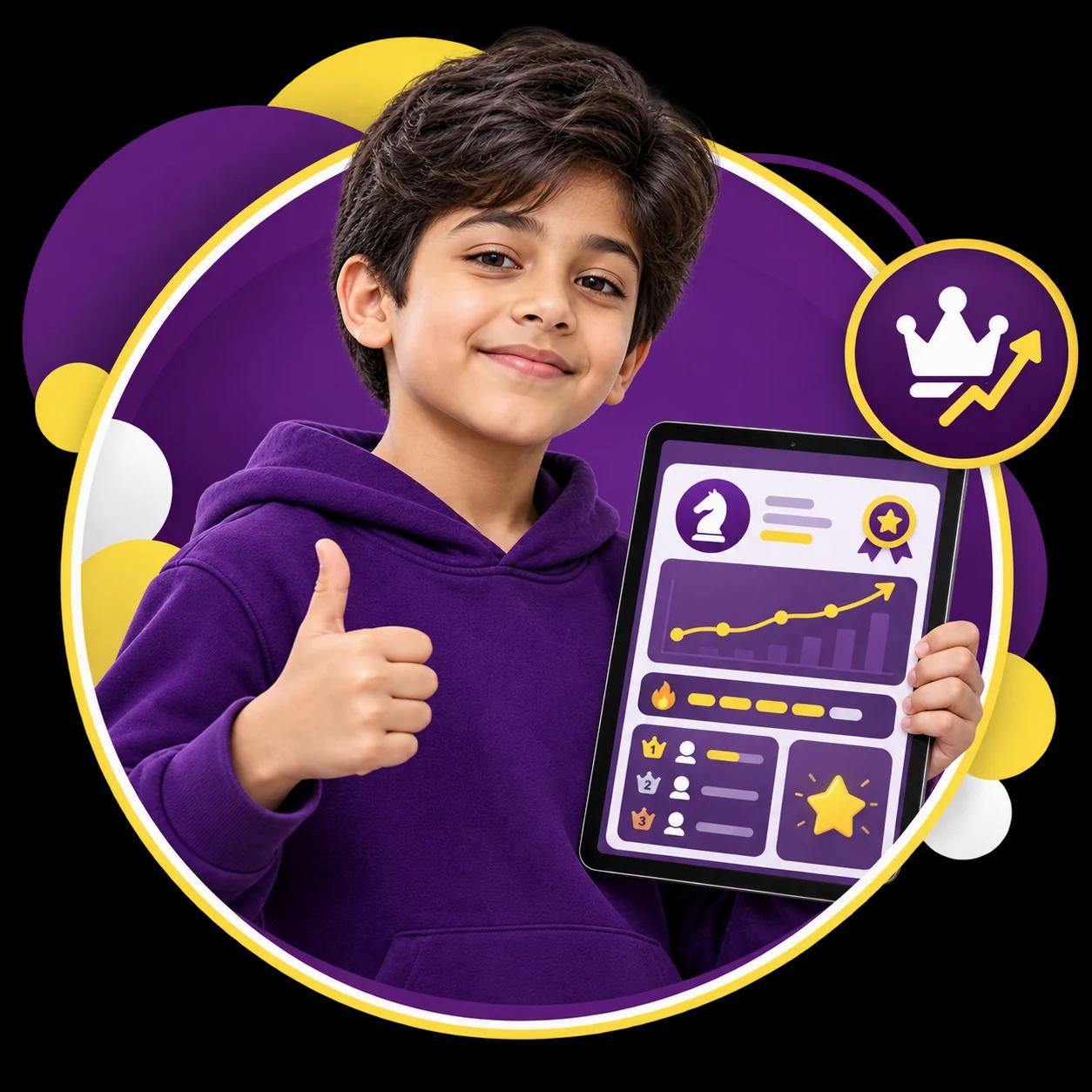
Attendance, homework scores, coach feedback, tournament results and fee history sit behind your own login, so you never have to ask how it is going.
The Ladder
Find the description that sounds like your child. Each one opens the course page with the full syllabus, listed session by session, so you can read exactly what will be taught before you book anything.
Starts at the board itself - how each piece moves, how to write a move down, what a legal game looks like - and finishes with your child delivering checkmate on purpose rather than by accident.
Beginner Chess Course · 48 sessions
See the beginner syllabusThe stage where chess stops being random. Forks, pins, skewers, back-rank mates and discovered attacks, drilled until your child sees them on the board instead of hearing about them afterwards.
Intermediate Chess Course · 48 sessions
See the intermediate syllabusTechnique for the games that are decided after the tactics: king and pawn endings, the named mating patterns, and a first opening repertoire so they are not improvising against prepared opponents.
Semi-Pro Chess Course · 48 sessions
See the semi-pro syllabusSacrifices, combinations and every tactical motif in its hardest form, for a child already competing in rated events and losing points to the one move they did not see.
Pro Chess Course · 48 sessions
See the pro syllabusPawn structure, weak squares, attacking schemes and theoretical endgames - the understanding that decides games between two children who both already see the tactics.
Masters Chess Course · 48 sessions
See the masters syllabusWhy Chess
We will not promise you a jump in school marks. What a weekly chess class reliably builds is narrower than that, and more useful.
A tournament game can run an hour. Children work up to that from short games, and the ability to stay with one hard thing is the first thing parents tell us they notice.
Touch-move is a real rule, and it teaches a child to check the consequence of a move before committing to it, every single game.
Everybody loses at chess, including the coach. Children learn to shake hands, go through what happened, and come back next week - which is a lot of what a weekly tournament is for.
Levels to finish, puzzle streaks, XP, academy leaderboards and a tournament every week give practice a point, so it does not depend on being nagged.
Online or offline
Both run the same syllabus with the same coaches, so this is a question about your week, not about what your child will be taught.
For children anywhere in India and in 15+ other countries. No travel, batches in the evening and at weekends, and the board, homework, tournaments and reports all live in the same portal. This is how most of our students learn, including several now playing for their country.
See the online chess coaching coursesFor families in and around Kolkata who would rather their child sat across a real board from another child. 4 centres - Bowbazar, Haridevpur, Jodhpur Park, New Alipore - with batch timings, a named coach and a phone number for each.
Student Results
Every result below belongs to a student who began on this syllabus, most of them as complete beginners.
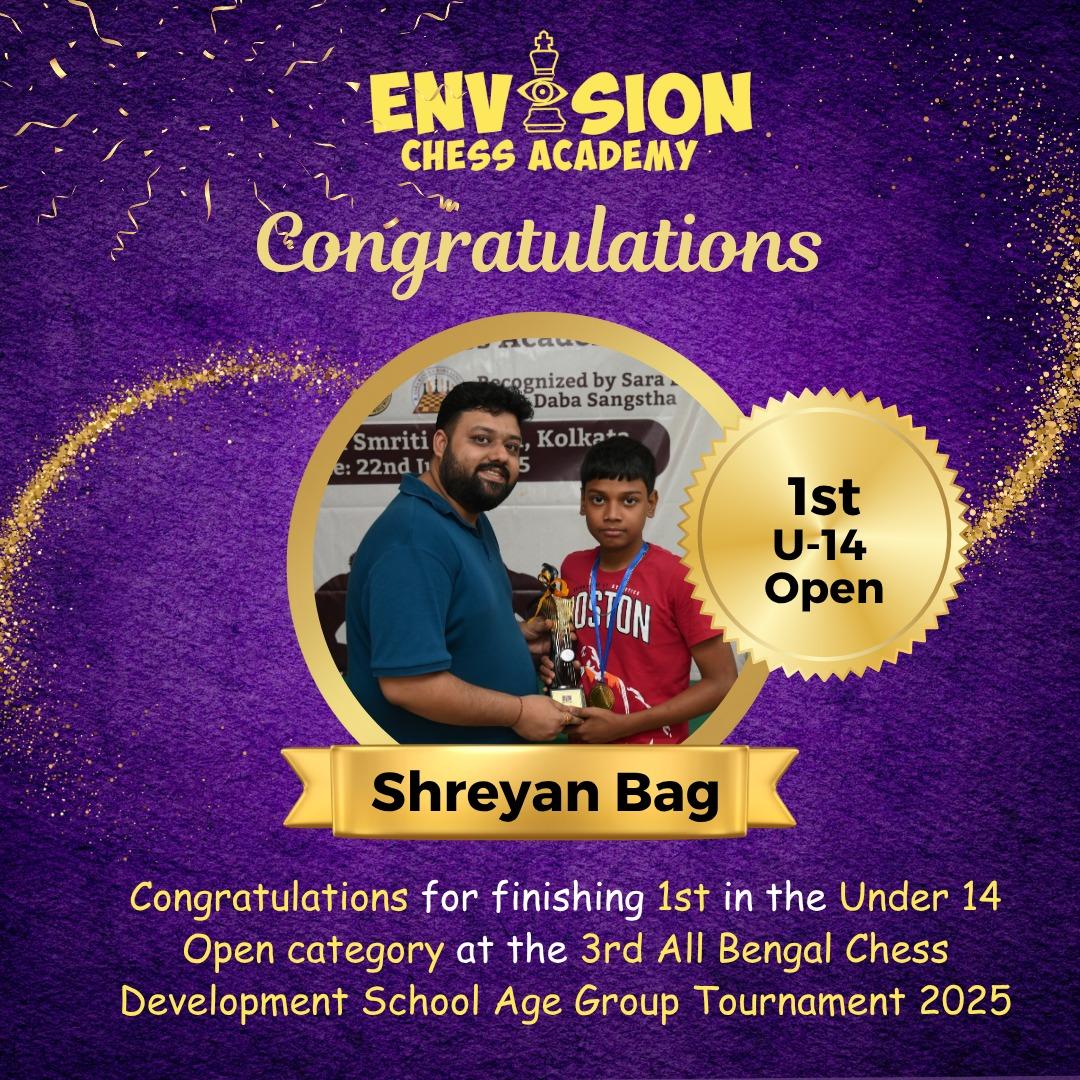
1st in Under 14 Open
3rd All Bengal Chess Development School Age Group Tournament 2025 · 2025 · State level
Story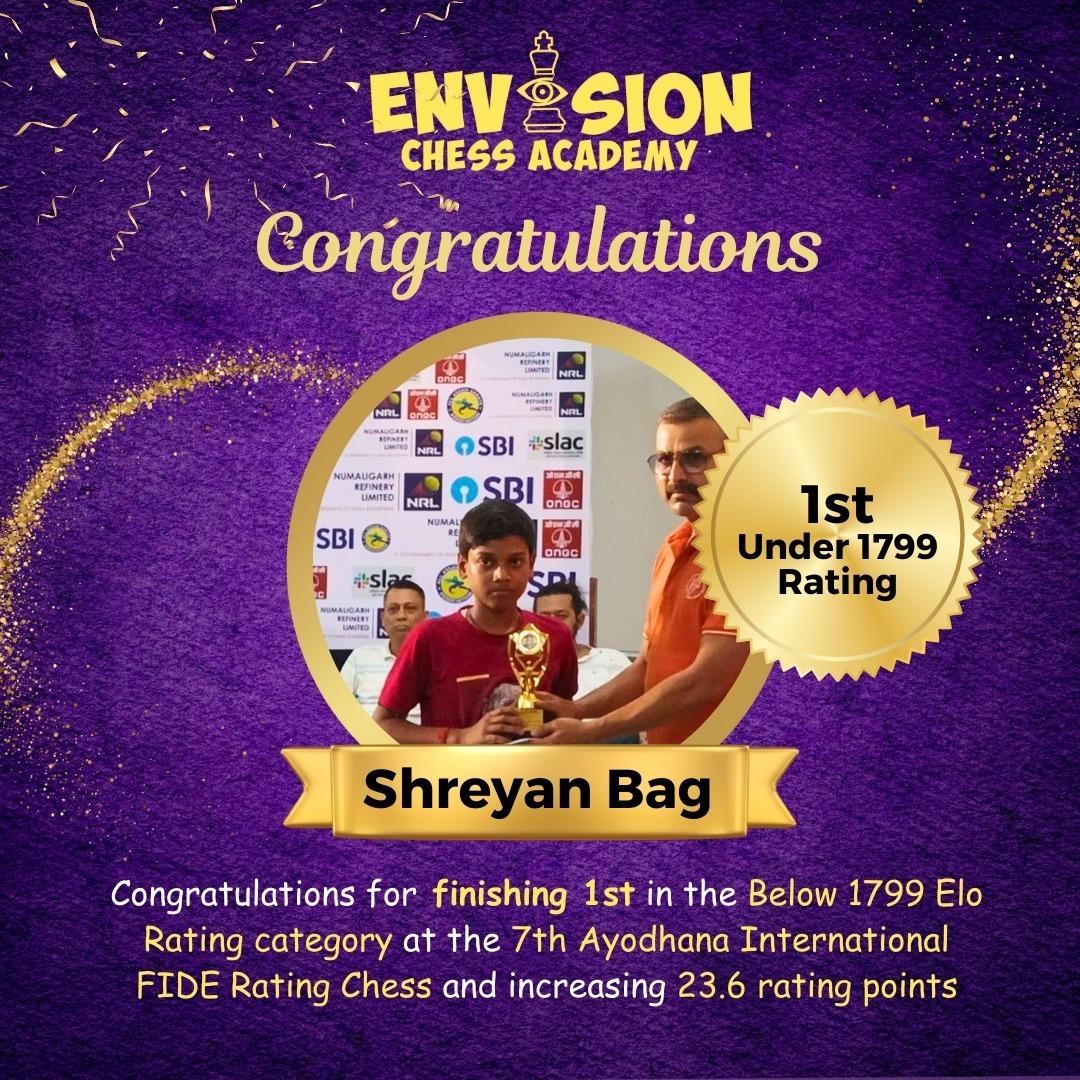
1st in Below 1799 Elo category; gained 23.6 rating points
7th Ayodhana International FIDE Rating Chess · International level
Story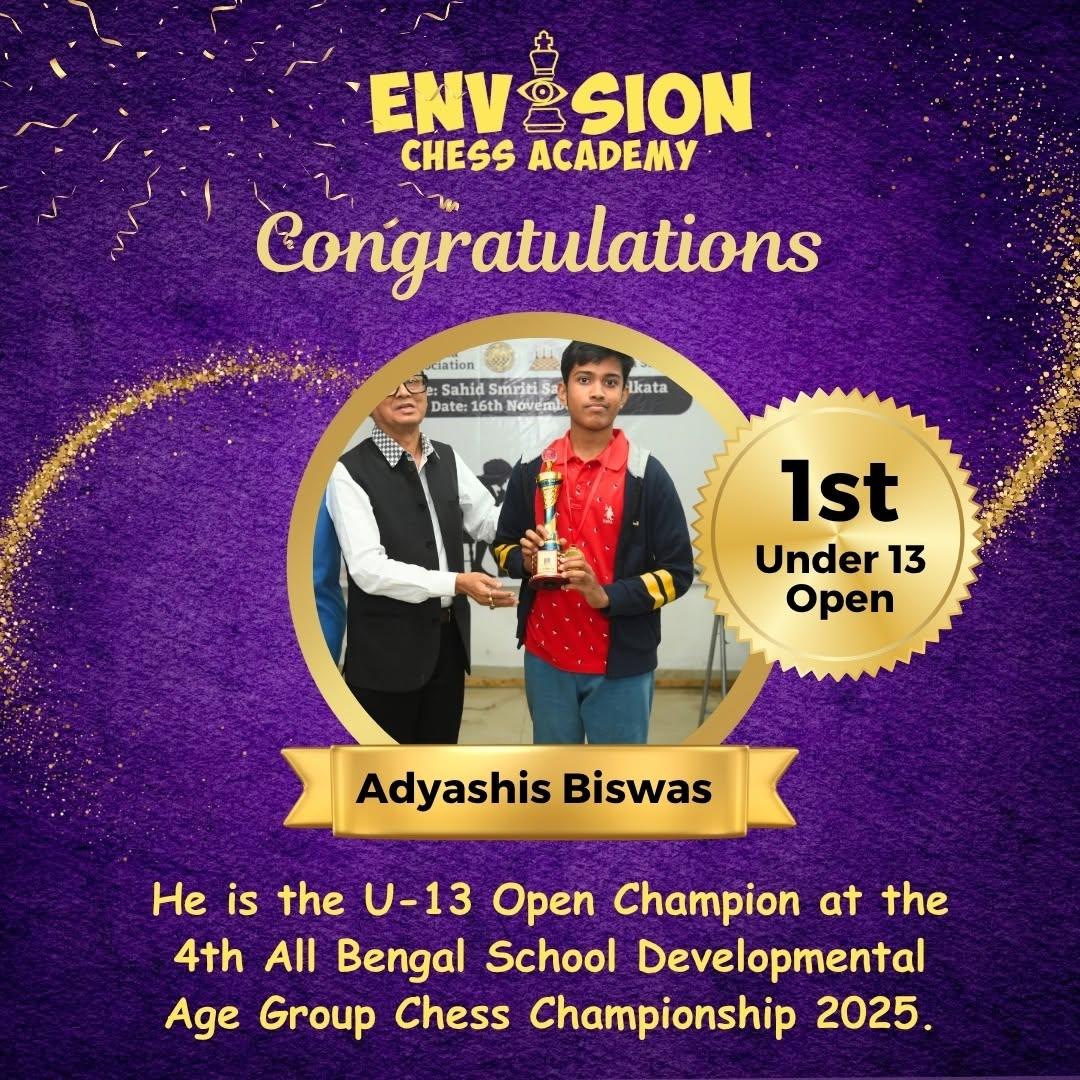
U-13 Open Champion
4th All Bengal School Developmental Age Group Chess Championship 2025 · 2025 · State level
Story
1500 FIDE classical rating
FIDE rating
StoryQuestions
Age, online versus in person, how often classes run, and how you will know it is working.
There is no fixed cut-off. What matters is whether a child can sit through a class and follow instructions, which the free trial class tells us far better than a birthday does - a coach plays with your child and says honestly whether they are ready. Several of our students were already winning Under-7 and Under-8 events, so starting young is normal here.
For chess, yes, because the board is on the screen for everybody at once. The coach sees exactly what your child sees, can take over the board to show a line, and nobody is sitting too far back to follow. The syllabus, homework, tournaments and progress reports are identical to our offline batches in Kolkata.
No. The beginner stage starts from the board itself - the squares, how each piece moves, how to record a game - so a child who has never played a full game is exactly who it is written for.
Two live classes a week. Each level is sixteen sessions and takes about two months, and the full ladder is 15 levels and 240 taught sessions from the first move through to Masters.
Both. Live online classes run for children anywhere in India and in 15+ other countries, and the same courses run offline at our 4 Kolkata centres. Children move between the two without repeating anything, because both follow one syllabus.
Yes. Academy tournaments run every week inside the portal with real pairings, live games, results and leaderboards. Children who want to compete further are prepared for and entered into rated district, state and national events.
You get a parent login to the same portal the class runs in: attendance, homework status and scores, the coach's written feedback, tournament results, progress reports and certificates. Improvement is something you read, not something you are told.
Book the free trial class. It is a real class with a coach that ends in a level recommendation and the exact session your child should start from - and it carries no obligation to enrol.
Start with a free class
A real class with a coach, not a sales call. It ends with an honest read on where your child is and which session they should start from. Online, or at any of our Kolkata centres.